 Currency:



What are aerial silks?
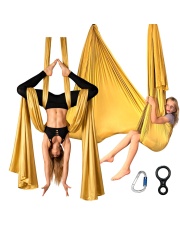
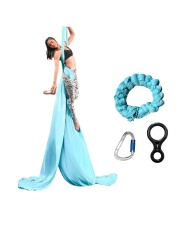
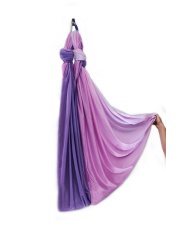
Aerial silks, also known as vertical fabrics, are unique pieces of equipment used in aerial arts, dance and gymnastics. Their biggest advantage is the combination of flexibility and durability, which makes it possible to perform even highly advanced tricks and impressive spins in the air. These fabrics are mounted to rigging points or other stable structures, allowing artists to move freely through the space above the ground.
On the Polish market, aerial silks are available in different lengths and styles, making it easy to match them to:
- the height of training spaces,
- the needs of dance schools,
- aerial studios and acrobatics clubs,
- the possibilities of home users.
Training with aerial silks is a great way to build strength and flexibility – and it’s no surprise that more and more people are using them to add variety to their workouts.
In recent years, aerial silks have become hugely popular both in Poland and abroad. Their versatility and wide range of applications mean that more and more people are choosing complete aerial sets, which include not only the silks themselves but also the necessary rigging accessories. This makes getting started with aerial arts much easier and far more accessible.
What are aerial silks made from and what are their specifications?
Aerial silks are made from durable materials such as 100% nylon with a density of 40 den or polyester. Their stretch is very low – only around 10% – which provides more stability during training and makes movement more predictable. This also helps reduce skin friction and significantly improves comfort during use.
The weight and density of the fabric are just as important – these features play a key role in training safety. High-quality aerial yoga hammocks and aerial fabrics meet the requirements of ISO 20957-1:2013, which means:
- point load capacity reaches up to 200 kg,
- dynamic load capacity reaches up to 900 kg,
- the hammock fabric effectively absorbs vibration.
As a result, comfort during aerial training is at a very high level.
When choosing aerial silks, it’s worth paying close attention to these parameters – they have a major impact on both training quality and user safety.
How do you choose the right length and fabric weight for aerial silks?
The length and fabric weight of aerial silks are key to both comfort and safety during training. Ideally, the silk should be twice the height of the room plus an additional metre. For example, if your training space is between 2.2 and 2.5 m high, the optimal silk length would be 6 m. In taller spaces, you can choose silks up to 16 m long. Manufacturers most commonly offer silks in lengths of 4, 5 or 6 metres, which makes it easy to match them to individual needs.
The fabric weight is just as important – the higher it is, the better the stability and the more secure the grip during aerial tricks. The width of the material, usually ranging from 260–280 cm (in the case of hammocks), also affects the type and intensity of training. That’s why it’s worth checking the full specification before choosing a silk – it plays a major role in both the safety and enjoyment of aerial training.
What accessories are essential for installing aerial silks?
Safe installation of aerial silks requires the right rigging equipment. A proper setup should include:
- carabiners – ideally steel, with a locking gate,
- figure 8 descenders – helpful for suspension and equipment adjustment,
- swivels – allowing the silks to rotate freely and reducing the risk of twisting,
- ceiling mounts – secure fixing points that ensure stability,
- slings – useful when working with higher loads,
- aerial sets – ready-made kits including silks and mounting accessories.
Choosing the right equipment is essential. It directly affects both comfort and safety during training, allowing you to focus on improving your technique and enjoying movement in the air.
How do you install aerial silks safely?
Safety is the absolute priority when installing aerial silks. First of all, you need to choose solid rigging points – concrete or wooden ceilings and steel beams are usually the best options. It is essential to use certified anchors and mounts with the appropriate load rating. It’s also worth considering a complete aerial set, as these often include all the essential mounting components.
Before installation, it’s a good idea to consult a professional. A specialist can assess the installation area and recommend the most suitable rigging setup. You should also make sure the whole system complies with EN ISO standards and climbing safety standards – this is key for both safety and stability.
When installing aerial silks, precise tying and secure attachment are crucial – this helps minimise the risk of failure. A height adjustment system is also very useful, allowing the silks to be easily adapted to the user’s height and training needs. Regularly checking the condition of your equipment – especially carabiners and mounts – is another important step that significantly improves safety during aerial training.
What exercises and techniques can you perform on aerial silks?
Training on aerial silks offers a wide range of possibilities – not only for building strength and flexibility, but also for improving coordination and body control. Here are some of the most popular techniques:
- aerial tricks – strengthen the muscles and improve body awareness; common examples include “shoulder hangs”, “inverted hangs”, “candle” and “mermaid”,
- spins – using rotational force allows for fluid transitions and adds visual impact to performances,
- hangs – balance-based movements that allow for different positions such as “straddle” or “split”,
- strength transitions – such as “climb” or “foot lock”, which engage multiple muscle groups and strengthen the lower body,
- dance – combining dance with aerial techniques creates dynamic, expressive performances that blend acrobatics with artistic movement.
Regular aerial silk training is not only an exciting challenge, but also a highly versatile way to develop your skills. Both professionals and beginners can find plenty to explore and continuously improve.
How are aerial silks used in training and performances?
Aerial silks have a very wide range of uses – they are used by dance schools, aerial studios, acrobatics clubs and organisers of outdoor events alike. These versatile pieces of equipment make it possible to perform a variety of techniques that combine elements of acrobatics and dance. This style naturally captures the audience’s attention and allows artists to fully showcase their skills.
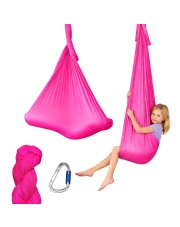
In everyday training, aerial silks help build both strength and flexibility – exercises performed on them engage multiple muscle groups and noticeably improve overall physical condition. It’s also worth mentioning that yoga hammocks and sensory hammocks used in children’s therapy are another great example of how versatile this equipment can be.
During performances, aerial silks often become the centrepiece of the show. The combination of acrobatics and dance creates spectacular visual effects, and different rigging setups make it possible to organise performances even outdoors. These kinds of shows always add something memorable to any event.
Safety should never be overlooked – using aerial crash mats and the right rigging equipment makes a huge difference. Protective mats help ensure safer landings and reduce the risk of injury, especially during dynamic transitions and more advanced tricks.
Aerial silks are a unique blend of art and sport. Their growing popularity in Poland and around the world is the best proof of their versatility and artistic value – it’s hard to imagine a more inspiring addition to movement-based training.
Additional accessories for aerial training
If you want your aerial training to be both effective and safe, it’s worth investing in the right accessories. Here are the essentials that should definitely be part of your setup:
- carabiners – steel with a locking gate, ensuring a secure connection between silks and rigging,
- figure 8 descenders – invaluable for suspending and adjusting the silks,
- swivels – allowing the silks to rotate freely and preventing twisting,
- slings – durable and useful for higher loads,
- protective crash mats – essential for safe landings,
- aerial rigs such as an A-FRAME – allowing you to train where ceiling installation is not possible,
- height adjustment systems – making it easy to adapt the silks to individual needs,
- a sensory hammock and aerial hoop – additional apparatus that adds variety and expands your training options.
Regularly checking the condition of these accessories is essential for safe aerial training. Looking after your equipment means looking after your own safety and comfort during practice.
How do you care for aerial silks and aerial equipment?
To keep your aerial silks and aerial equipment in great condition for as long as possible, it’s worth following a few simple rules:
- store the silks in a dry place, away from moisture,
- check the fabric regularly for any damage that could affect safety,
- avoid excessive dirt and contamination during use,
- wash the silks gently using mild detergents and low temperatures,
- do not use bleach or strong chemicals, as these can weaken the fibres.
Don’t forget to regularly inspect your rigging hardware as well – especially carabiners and swivels. Routine checks for wear and possible mechanical damage are essential. Make sure all accessories have the appropriate certifications – this is your guarantee of quality and safety. It’s also worth paying attention to any warranties offered by the manufacturer.
When installing aerial silks, always follow the manufacturer’s instructions carefully. Well-chosen rigging points, such as concrete ceilings or steel beams, will ensure stability and safety during training. Regular equipment checks and following aerial safety rules are essential to minimise risk during this incredibly exciting discipline.


