 Currency:


What exactly is pole dance chalk?
Pole dance chalk is one of those products that’s hard to imagine safe and comfortable pole training without. It helps your hands grip the surface better, which means not only a more secure hold, but also greater confidence when performing even the most demanding tricks. Chalk is based on magnesium carbonate, which creates a dry, protective layer on the skin. This makes it easier to control your movements and maintain stability – especially when training gets truly intense.
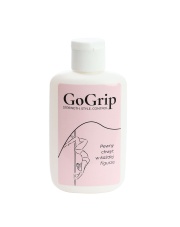
There are several types of chalk available on the market. One of them is liquid chalk, which dries quickly and is very easy to apply. Grip products with added silica, such as Go Grip 55 ml, can improve traction even further.
It’s worth highlighting that professional, certified pole dance accessories guarantee a high standard of quality and safety. Thanks to them, dancers can fully focus on technique, knowing their grip won’t fail at a crucial moment. It’s no surprise that chalk is a must-have – it helps you achieve better results and enjoy training to the fullest, without worrying about unexpected slips.
Types of pole dance chalk – what’s the difference?
Pole dance chalk comes in several forms, and each one has its own specific benefits and way of use. Let’s take a look at the most popular options:
- Liquid chalk – by far the most popular choice, mainly because of how convenient it is to use. Examples include Liquid Chalk 200 ml and OCUN liquid chalk. It dries quickly, creating a dry layer that increases friction and reduces sweaty hands.
- Block chalk – a classic option, applied by rubbing it directly onto the skin. Although it takes a little more time, it dries the hands very effectively and provides a solid grip.
- Powder chalk – works similarly to block chalk, but is quicker and easier to spread. It absorbs moisture effectively, although its form may not suit everyone.
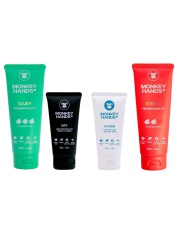
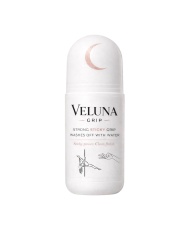
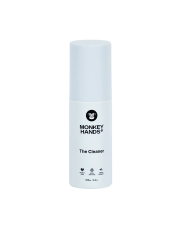
- Pole dance grip products, such as Go Grip 55 ml or Monkey Hands, stand out for their moisture-absorbing properties. They also help condition the hands and significantly improve grip, offering a completely different feel compared to traditional chalk.
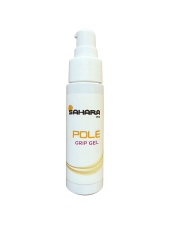
- Sahara Pole Grip Gel – a hydrophobic gel, ideal for those who don’t want to leave white marks on the pole while still expecting excellent grip.
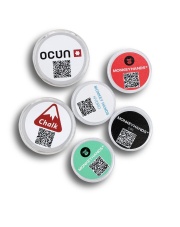
Each of these products has its own unique features and works best in different conditions or according to different user preferences. Interestingly, chalk testers are becoming more and more popular – an easy way to find your perfect match before committing to a larger size.
How should you apply chalk correctly and how often?
To get the most out of chalk during pole dance training, it’s worth paying attention to how you apply it. First of all – your hands should be clean and thoroughly dry. If you’re using liquid chalk, such as Liquid Chalk or Go Grip, a thin layer is enough to feel the difference in grip. It’s important to spread the product evenly – this way it dries quickly and doesn’t leave streaks.
It’s worth remembering, however, that chalk doesn’t last forever – during very intense training, reapplication may be necessary. Without it, the grip effect can gradually weaken. Chalk and grip testers are also worth considering – they help you choose the product that best suits your needs. Regular use and proper application technique not only improve effectiveness, but also increase safety during training.
How does chalk improve grip and movement control?
Pole dance chalk significantly improves grip, which translates into better body control. Its special formula dries the hands and creates a stable protective layer – especially important when performing advanced tricks, where every fraction of a second and a secure hold matter.
Choosing the right chalk is not just about technique – it also means more comfort and freedom of movement on the pole. It’s thanks to chalk that dancers can achieve better results, especially in more difficult tricks where every detail of movement counts.
The right chalk can make a huge difference when it comes to grip stability. Specialist formulas, both liquid and silica-based, provide reliable support during demanding training sessions. This allows you to make better use of your own strength and stay in the air for longer.
The result? Dancers can move smoothly between tricks without worrying about unexpected slipping. A secure grip means not only more confidence, but also a lower risk of injury – and that matters a great deal in this discipline. Chalk makes training not only more effective, but also more enjoyable.
Chalk is highly effective in dealing with sweaty hands – and moisture is one of the biggest enemies of a reliable grip. Its absorbent properties help keep your hands dry even during long, demanding sessions. This allows you to train longer and harder, without the stress of unwanted slipping.
If you tend to sweat excessively through your hands, choosing the right chalk will help you fully focus on technique. Effective moisture absorption means better results and greater satisfaction from your training.
How does chalk affect grip stability and comfort?
During dynamic pole dance training, both grip stability and comfort are essential – they have a direct impact on performance. Chalk, thanks to its properties, significantly supports both of these aspects.
Liquid chalk, such as Liquid Chalk, creates a dry layer on the hands, which greatly improves friction between the skin and the pole. As a result, your grip becomes more secure – which is especially important during difficult tricks. Grip products like Go Grip effectively eliminate moisture, improving both comfort and safety. By using these products, you can reduce the risk of slipping and gain more confidence during acrobatic moves.
Using chalk regularly helps you hold even the most demanding positions for longer. A stable grip means not only a lower risk of injury, but also greater freedom of movement. Reaching for chalk consistently improves technique and makes transitions between tricks smoother, which ultimately leads to better results and greater satisfaction from training.


