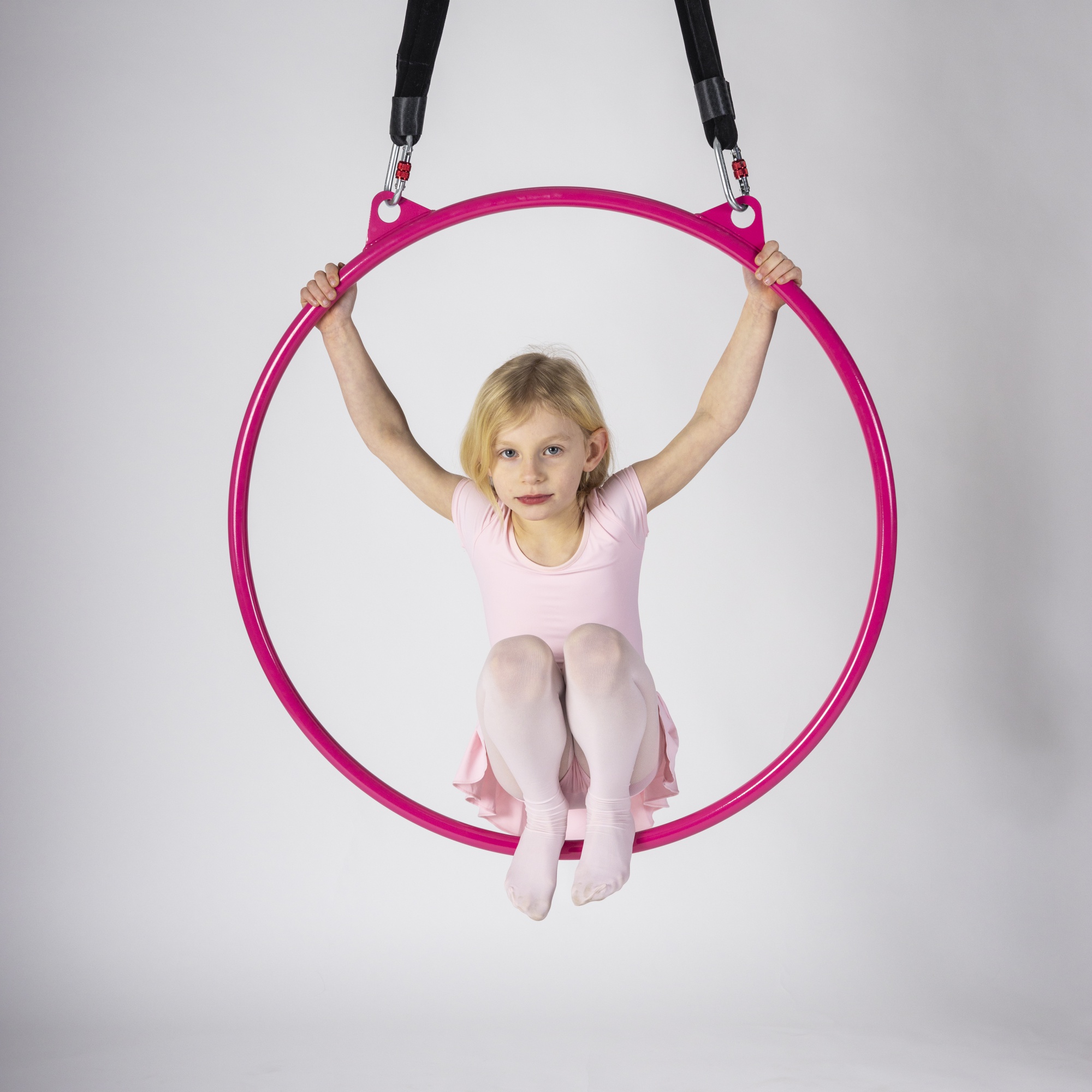
Aerial Hoop – Professional Circus Hoop for Aerial Acrobatics
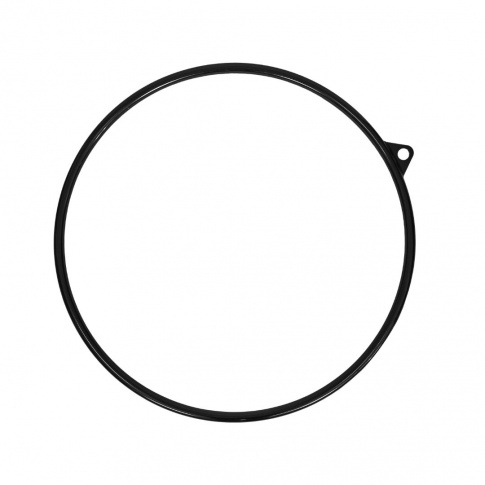
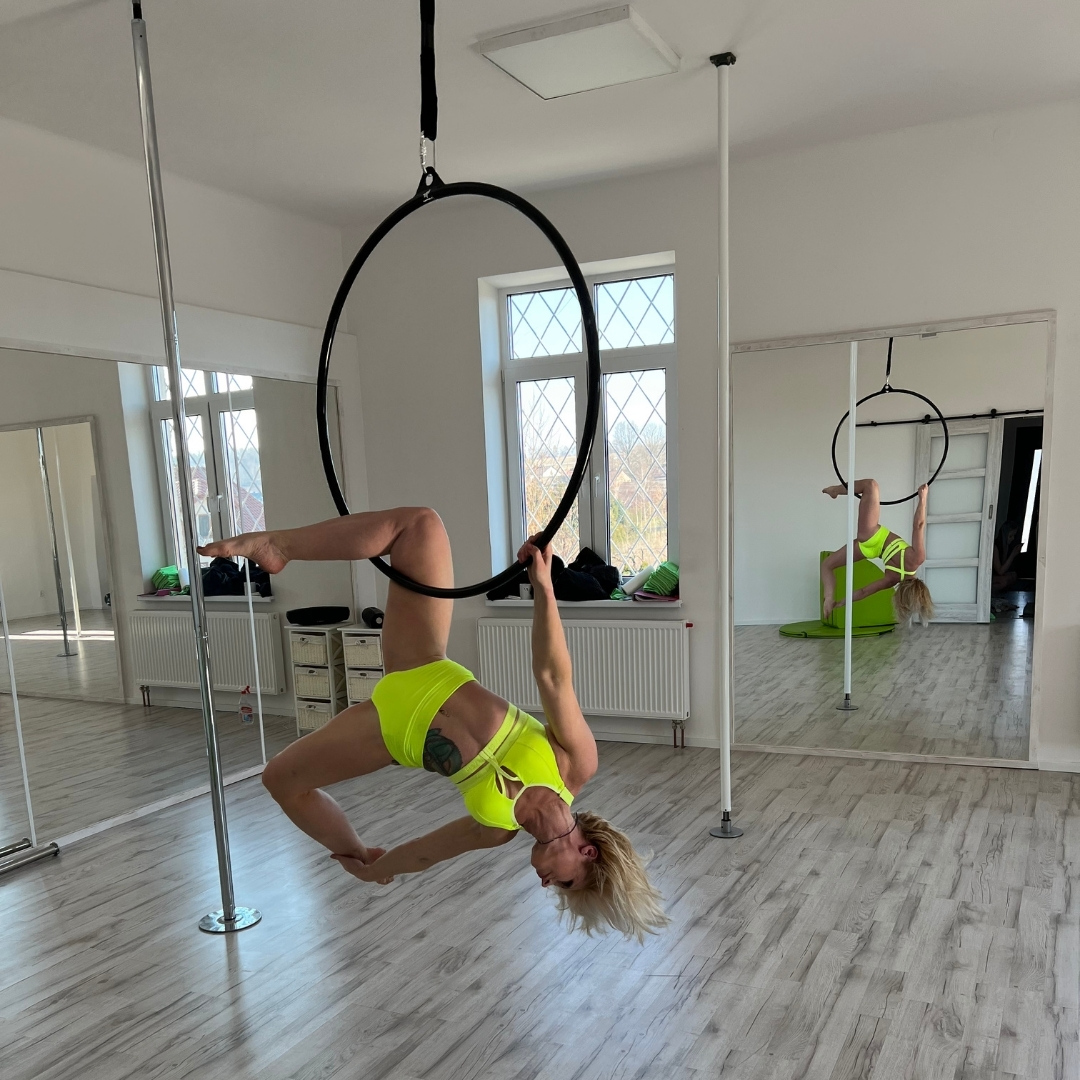
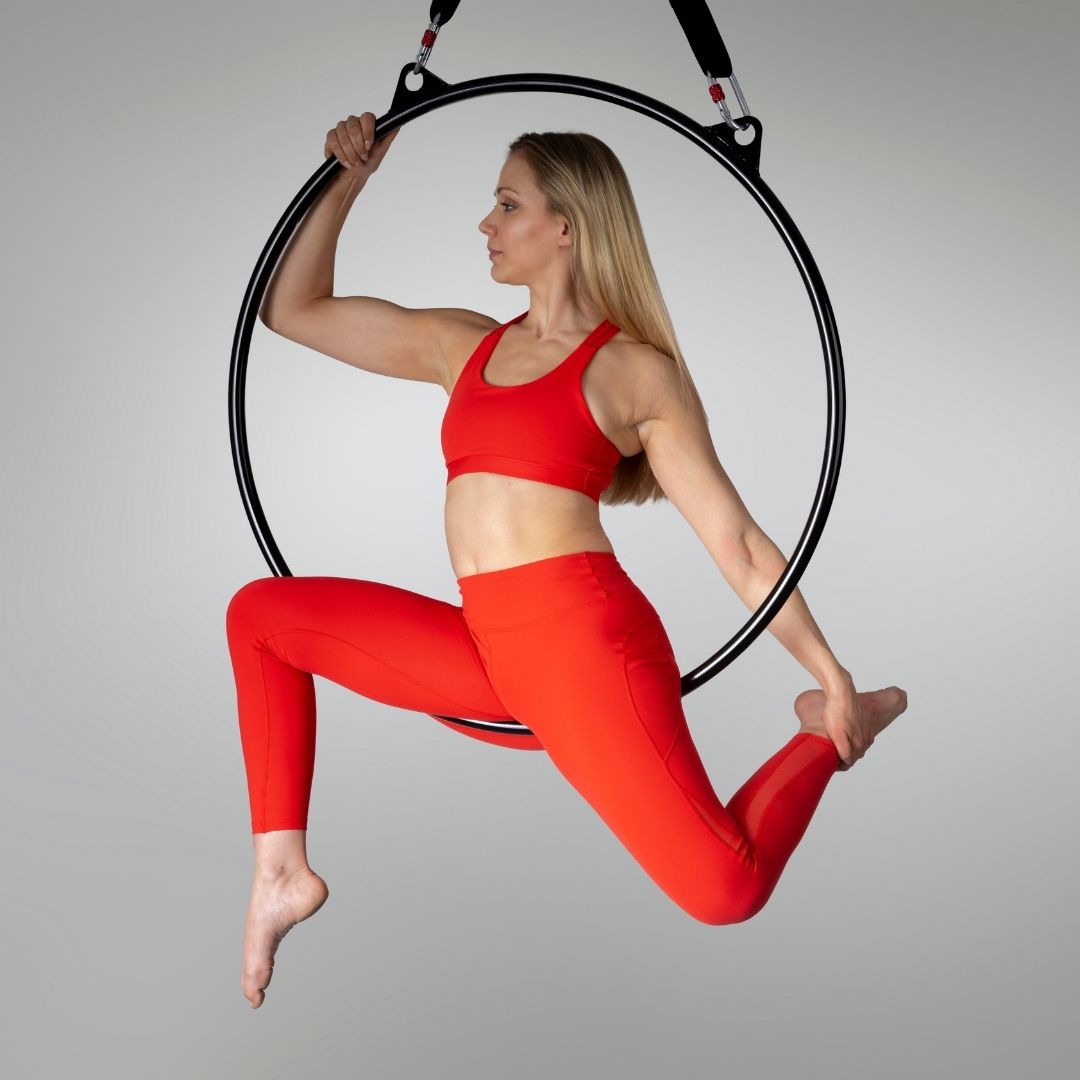
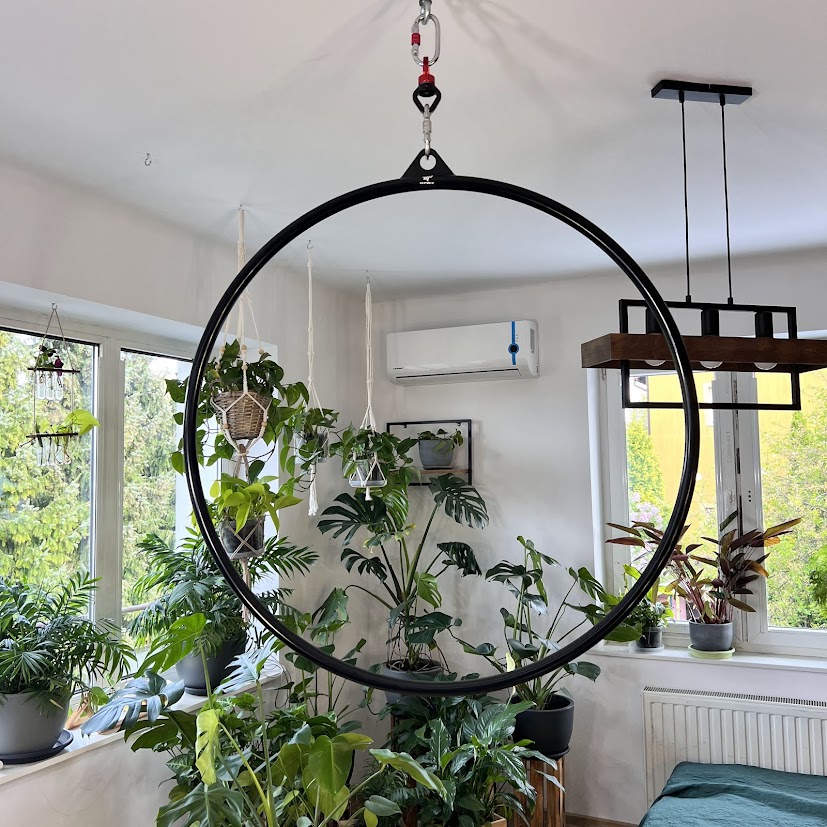
An Aerial Hoop, also known as a circus hoop or lyra, is specialist fitness equipment designed for aerial acrobatics training. It is a tool that helps build strength, body control, fluid movement, and spatial awareness. Training on the hoop combines elements of dance and acrobatics while improving endurance, flexibility, and core stability.
For many people, it is an alternative to pole dance – offering different dynamics, transitions, and a unique sense of body movement while suspended.
Aerial Hoop Manufacturer – Full Control Over Quality
We are a manufacturer of circus hoops and operate our own machinery park. We do not outsource production to third-party companies. Every hoop is made under our direct supervision – from material selection, through bending, welding, and finishing, to final quality control.
This means that at every stage we can respond quickly, make improvements, and eliminate imperfections. We are not middlemen – we are the manufacturer.
We understand how steel behaves under load. We know how material reacts during bending and welding. We carefully select steel suppliers and monitor technical parameters, because in aerial acrobatics there is no room for chance.
As a result, our equipment is consistent, well-balanced, and structurally refined.
Perfectly Fitted Hoop for Aerial Acrobatics
There is no single universal hoop for everyone. Diameter should be selected according to the user's height and body proportions. That is why we offer a full range of sizes so everyone can choose equipment suited to their physique and training style.
We measure diameter from the center of the bar to the center of the bar – not from the outer or inner edge of the ring. This is important because it gives the real usable measurement, not a marketing measurement.
A properly selected hoop provides control, space, and comfort in static poses as well as dynamic transitions.
IPSF-Compliant Weight – Stability in the Air
The weight of the hoop is crucial to how it behaves while suspended. Constructions that are too light are often poorly balanced and tend to rotate uncontrollably during training.
Our smallest hoop with an 80 cm diameter weighs nearly 4 kg, while the largest 110 cm hoop weighs around 5 kg. These specifications comply with IPSF requirements and ensure stability and predictable performance in the air.
The hoop should work with the body, not against it.
Lighter Construction, Better Ergonomics
M-pole hoops are lighter than many typical constructions available on the market while maintaining proper strength and stability. This makes the equipment more ergonomic, easier to install, and more comfortable for daily use – both at home and in studios.
It is a difference you can feel during transport, installation, and spinning work.
Smooth, Aesthetically Finished Welds
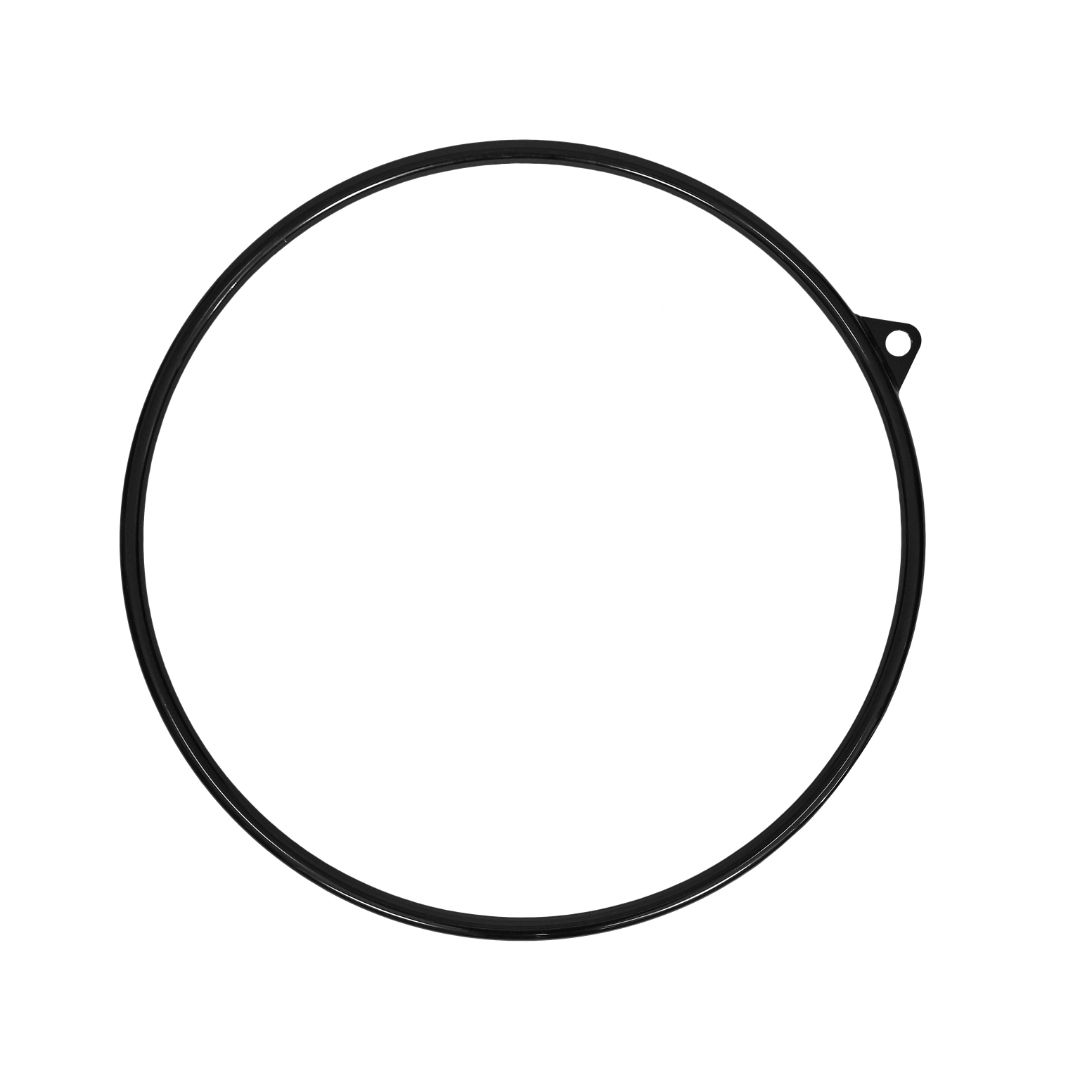
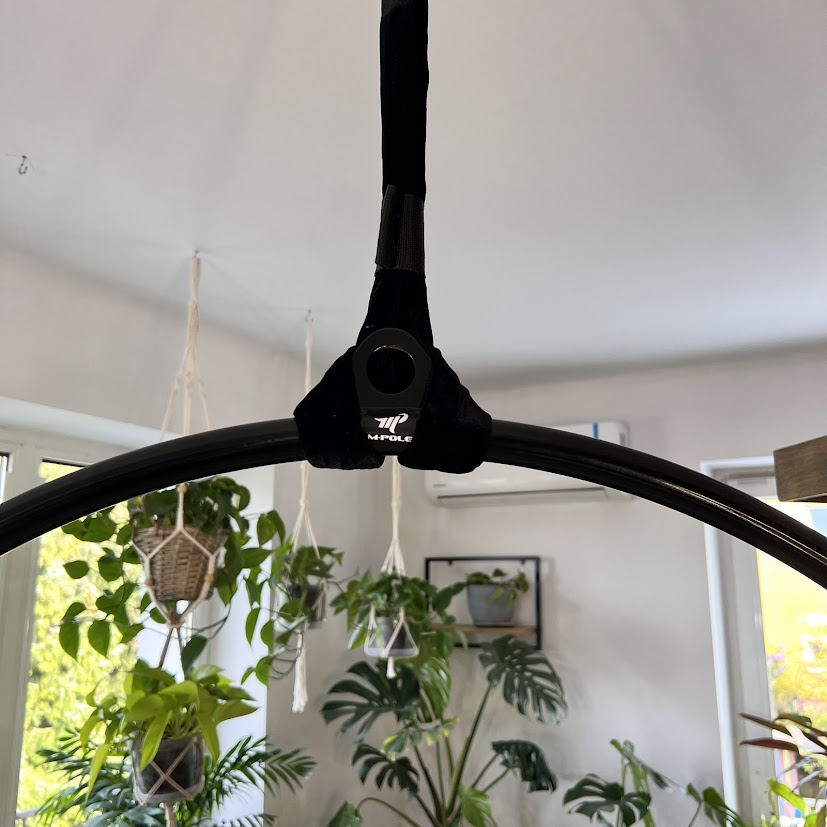
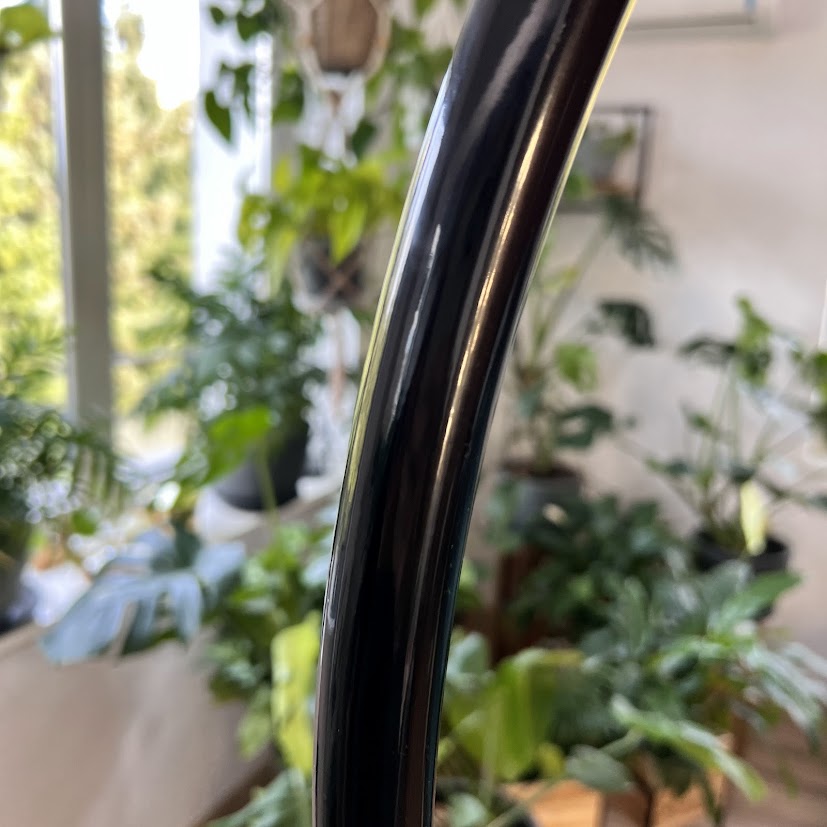
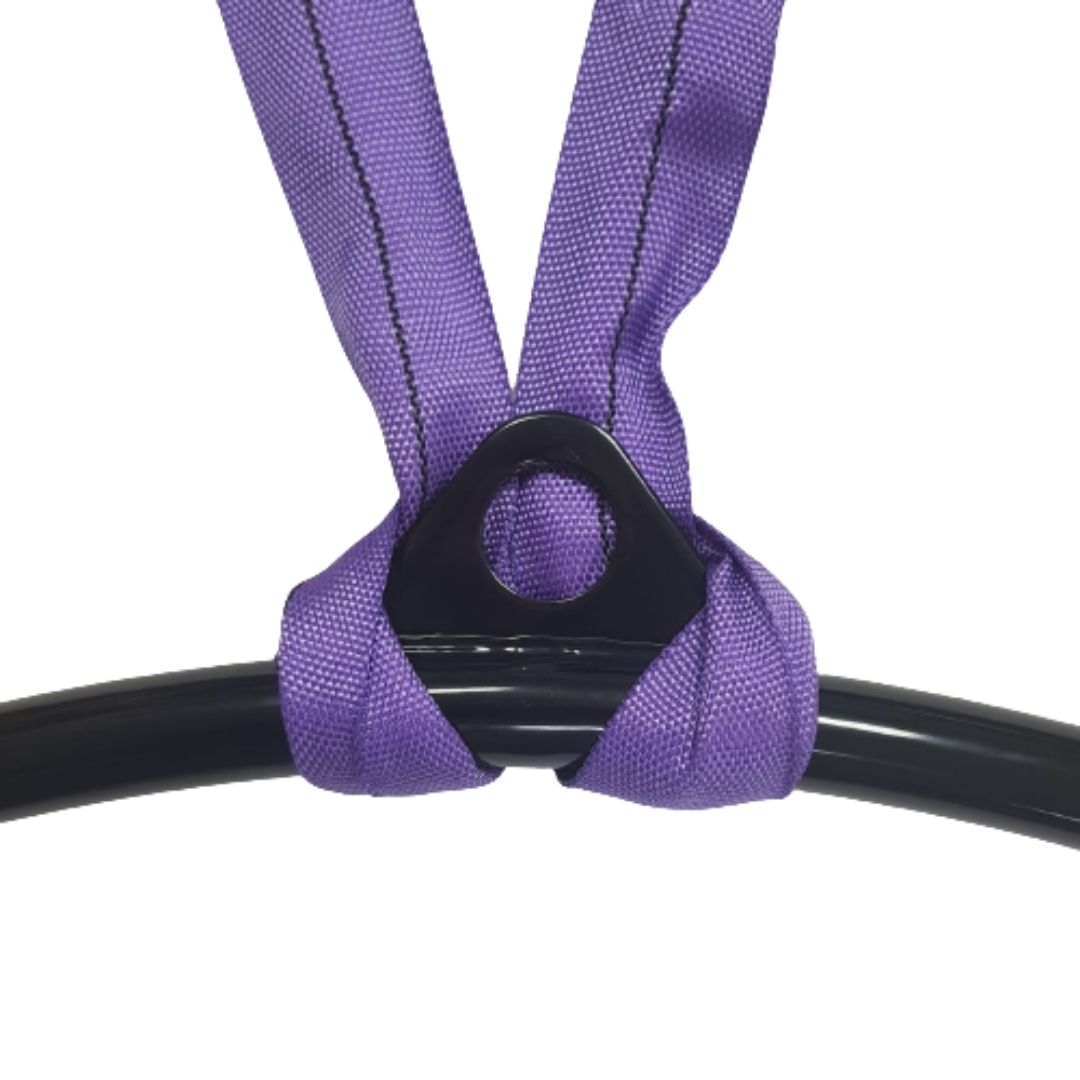
As a manufacturer, we pay attention to details. Welds at the attachment points are smooth and neatly finished. There are no sharp edges or accidental irregularities.
This is not only about appearance. It is about safety, comfort, and durability – especially when the hoop is wrapped with tape.
Powder-Coated Steel – Durability and Functionality
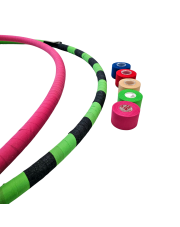
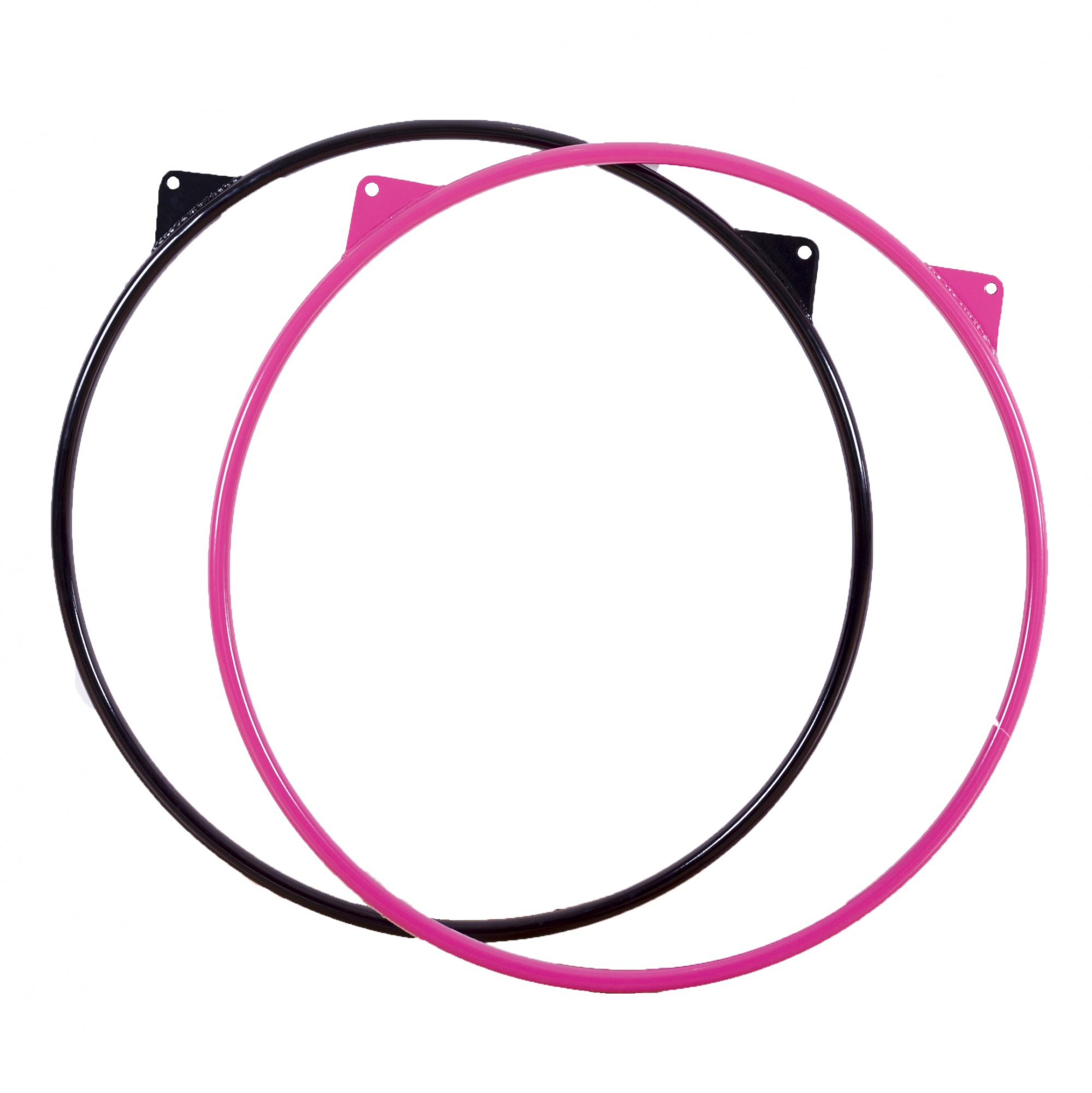
Our M-pole aerial hoops are made of powder-coated steel, most commonly in black, which provides a neutral base. Changing the appearance of the hoop is simple – just apply colored tape.
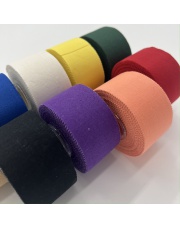
Tape improves grip comfort and absorbs sweat, enhancing control during poses and transitions. Aesthetics are an addition – functionality remains the priority.
Manufactured According to IPSF Specifications
Our hoops are manufactured in accordance with IPSF requirements and specifications. This means their technical parameters meet standards used in the competitive environment.
This is equipment that performs equally well in home training, schools, and competition preparation.
Product Specifications
- Material: Powder-coated steel
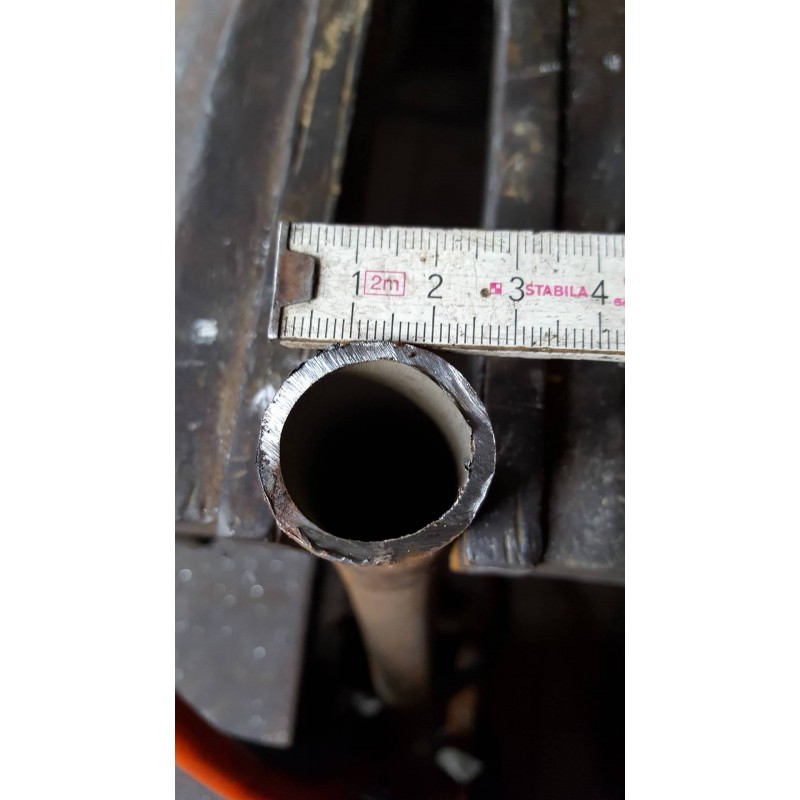
- Bar Thickness: Approx. 2.7 cm
- Tube Wall Thickness: 2 mm
- Hoop Size (diameter measured center to center of the bar): Black hoops — from 75 cm to 110 cm
Pink hoops — from 80 cm to 95 cm
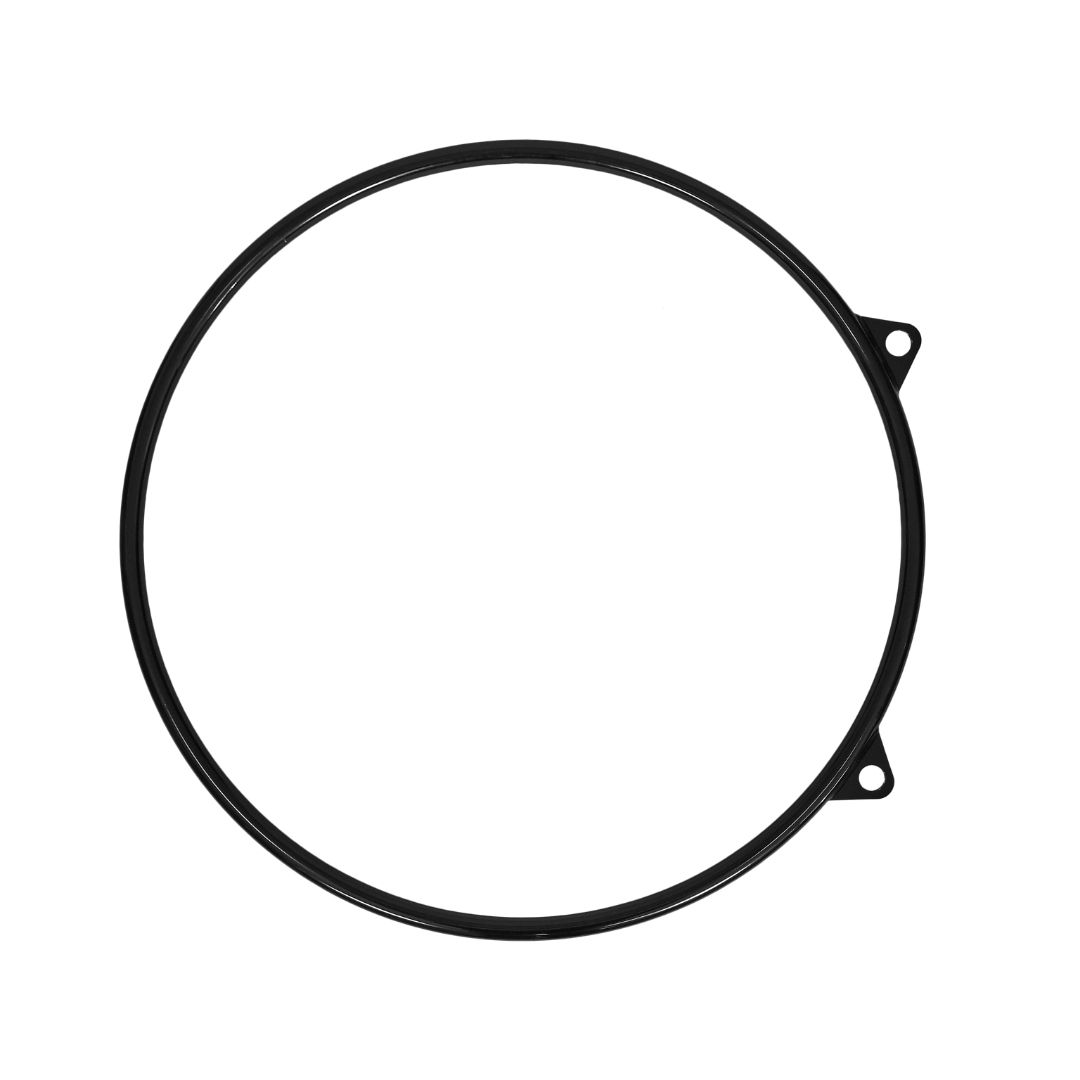
- Number of Tabs: Choose from:
- no tabs,
- single tab,
- double tab.
- Attachment Hole Diameter: 1.5 cm – allows easy carabiner connection
- Weight: IPSF compliant.
80 cm hoop weighs nearly 4 kg.
100 cm hoop weighs 5 kg.
- Distance Between Tabs (double-point hoops)
- 85 cm hoop - 40 cm
- 90 cm hoop - 41 cm
- 95 cm hoop - 45 cm
- 100 cm hoop - 48 cm
Mounting Type Depending on Your Ceiling
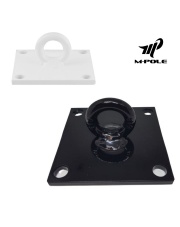
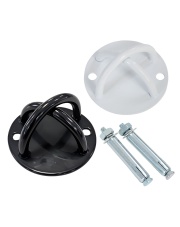
- Concrete ceiling – mount the ceiling anchor using concrete bolts. Chemical anchors may also be used.
- Wooden ceiling – attach the bracket using wood screws.
- Wooden beam – you can loop a sling over the beam or use wood screws. If drilling into the beam, make sure it is not load-bearing.
- Steel beam – you can loop a sling over the beam or mount a bracket if the beam is not structural.
- Suspended ceiling – direct installation is not possible. A hole must be made to access the structural ceiling above.
If you are unsure how to correctly install your hoop or aerial silk, contact us. The above methods are suggestions only. The installer is fully responsible for selecting the correct mounting method and hardware for the conditions.
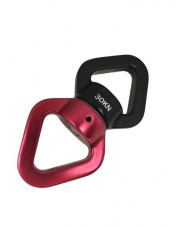
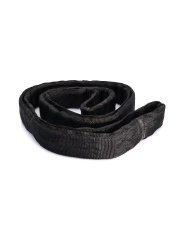
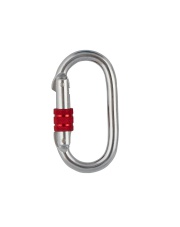
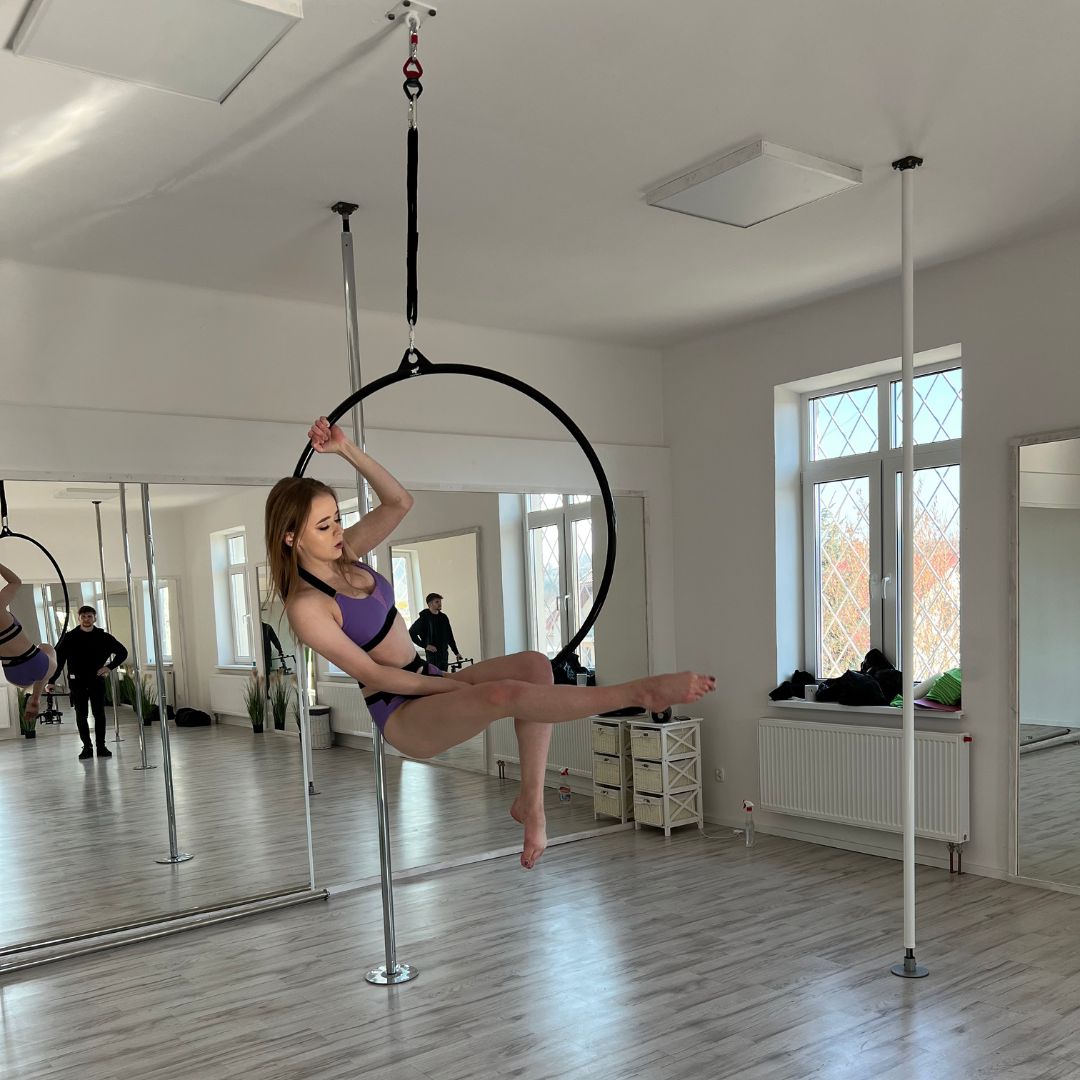
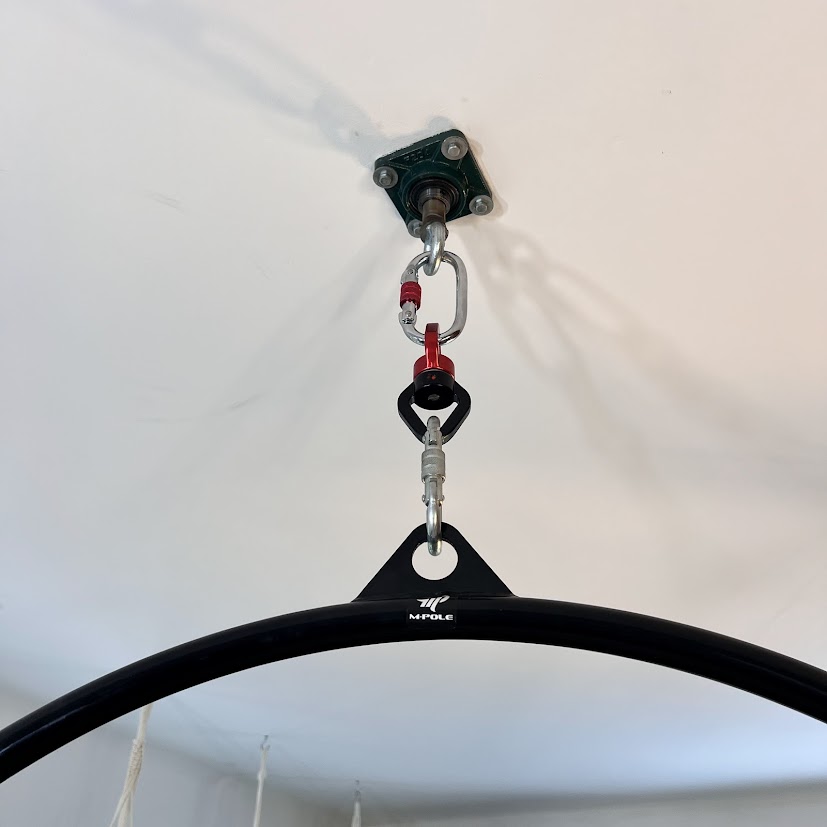
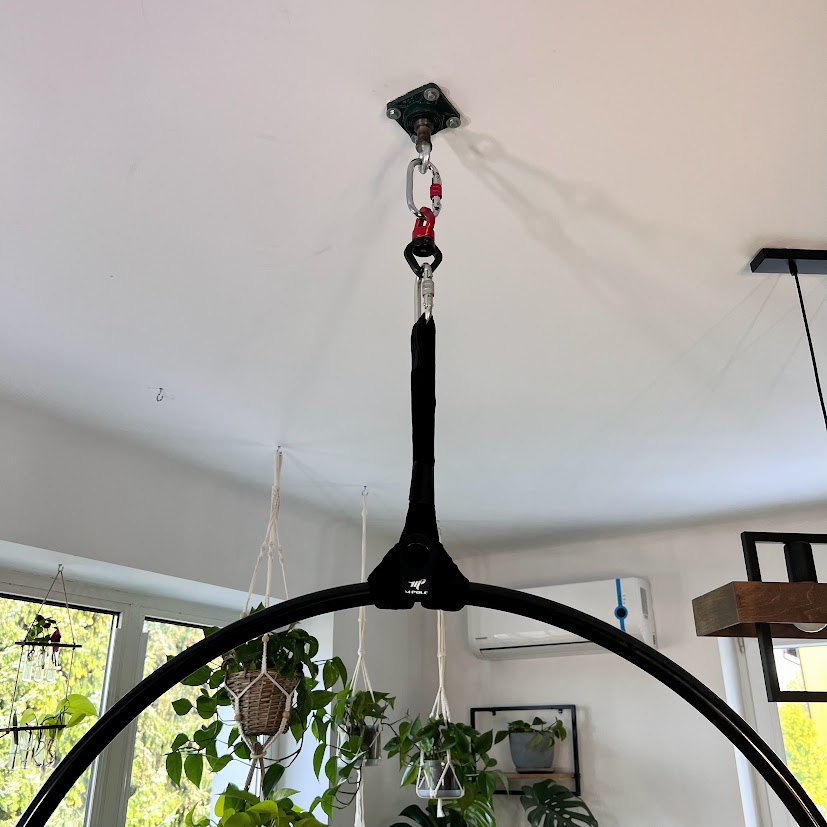
To hang an Aerial Hoop, you need: two carabiners, a swivel, a rope (daisy chain or sling), and a mount or bracket.
-
How to choose the correct aerial hoop diameter?
One of the simplest and most practical ways is to sit on a chair and measure the distance from the seat to the top of your head, then add around 10 cm. This result is a hoop diameter that should allow you to fit comfortably inside and perform basic seated and tucked poses.
-
How many tabs should you choose – single point, double point, or no tabs?
Today, the number of tabs is mainly chosen according to personal preference and training style. It is often best to choose the same type used by the school where you train.
-
What accessories are needed for an aerial hoop?
For safe installation, you need a ceiling mount unless you have a solid beam or outdoor anchor point. A rope or sling should be attached to a carabiner. Many users also install a swivel above the hoop to prevent twisting while spinning.
-
How much space is needed for aerial hoop training?
It is recommended to have at least 150–170 cm of free space in every direction from the center of the hoop.
-
Why wrap the hoop with tape?
Wrapping the hoop with cotton tape improves comfort and safety. Tape absorbs sweat, reduces slipping, and creates a softer surface for the skin.
Delivery cost at M-pole
The delivery cost depends on the type and quantity of the ordered products. The exact delivery price is always visible in the cart before placing the order.
If your order contains both small items and large ones (e.g. poles, mats, aerial hoops), you will pay only for the delivery of the larger products — we will pack the smaller ones together with them so that you do not incur additional costs.
Larger orders and studio equipment
Planning a bigger purchase or looking to equip a full pole dance studio? Contact us — together we will find the most cost-effective solution. Call 730-113-110 or write to sklep@m-pole.pl. We will check the shipping cost for larger quantities of products and prepare an individual offer.
International shipping — Europe and worldwide
M-pole ships not only within Poland, but also to all countries in Europe and most countries worldwide — including large products. The delivery price will appear directly in the cart after adding the selected items. The system will automatically update the shipping cost.
Most of our products can be ordered directly through the website. However, if a product is not available or your country does not appear in the shipping list, contact us — provide your postal code and city name, and we will check the shipping options and cost for your location.
 Currency: