 Currency:











Aerial yoga hammocks – what are they?
Aerial yoga hammocks are unique fitness accessories that have gained huge popularity among movement and fitness enthusiasts in recent years. They are most often made from durable fabrics such as nylon or polyamide. Their main purpose is to support training that combines elements of traditional yoga, Pilates and aerial acrobatics.
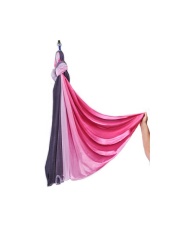
The fabric has low stretch, which translates into stability and comfort during training – an important advantage for anyone who values a secure and comfortable practice. A good example is the "Aerial yoga hammock silk – 5 metres" – here, the width ranges from 260 to 280 cm, and the product meets the requirements of ISO 20957-1:2013.
These aerial hammocks not only improve flexibility, but also help regulate muscle tension, making them a great tool for both relaxation and strength building. Interestingly, regular use of a hammock can also have a positive effect on wellbeing and stress reduction – its therapeutic benefits are genuinely noticeable. Training in an aerial yoga hammock offers a fresh approach to physical activity – combining the dynamics of aerial movement with the harmony of traditional yoga. Importantly, it can be practised both at home and in professional studios or fitness clubs.
Aerial hammocks are available in a wide range of sizes and colours, making it easy to match them to your personal preferences. It’s also worth mentioning that these versatile accessories allow not only for practising complex asanas, but also offer a range of health and wellness benefits. Their unique features make them suitable for everyone – regardless of experience level – while helping improve flexibility and overall fitness.
Types of aerial yoga hammocks – which one should you choose?
Aerial hammocks are available in several interesting variations. It’s worth taking a closer look at the most popular types:
- aerial yoga hammock silk – by far the most common option, 5 metres long, 260 to 280 cm wide, made from durable 40 den nylon; ideal for aerial practice, offering a great balance between durability and comfort,
- aerial silk – characterised by low stretch, which improves both safety and comfort; a perfect choice for people interested in aerial acrobatics and creating impressive aerial poses,
- sensory hammock – designed with children in mind, ideal for sensory therapy and can also be used as a swing, supporting motor development and stimulating the senses.
If you’re looking for a complete solution, you can choose a hammock set with installation accessories – including carabiners, Daisy Chain straps and ceiling mounts. This makes hammock installation much easier. As for colours? From light blue to burgundy – there’s something for everyone.
It’s also worth exploring different aerial silks, which are a separate equipment category – used both in aerial acrobatics and as an alternative to classic hammocks for many types of training. When choosing an aerial yoga hammock, it’s worth considering its intended use and key properties. The right choice will help you tailor your training to your expectations and experience level, while also ensuring safety and effective practice.
How to choose the right hammock for your needs?
Choosing the right aerial yoga hammock is not something to overlook – it affects not only comfort, but also your safety during training. Before buying, it’s worth thinking about a few key points:
- fabric length – the most common aerial hammocks are 4, 5 or 6 metres long,
- fabric type – low-stretch materials work best,
- adjustability – many models come with adjustment straps and swivels,
- installation method – suitable accessories such as ceiling hooks or mounts are essential,
- versatility – especially important if you’d also like to use the hammock as a sensory swing.
Fabric length makes a big difference – it all depends on the height of the room where you plan to practise. In higher spaces, a longer hammock will usually work better. The fabric used to make the hammock is another important factor. High-quality nylon offers stretch in one direction and stability in the other – which is especially useful when performing different asanas.
If you’d like to learn more about which fabric for aerial silks to choose, it’s worth paying attention to durability and practical performance, especially if you’re planning to buy silk fabric for aerial training. Hammock adjustment should also not be overlooked. Knots must be tied correctly – that’s essential to avoid unpleasant surprises during practice.
Hammock installation requires the right accessories – solid mounting and a secure suspension point are absolutely essential. It’s also a good idea to choose fabric with quality certifications such as ISO. If you plan to use the hammock not only for yoga, but also as a sensory swing, choose a model with versatile use. A well-chosen hammock will make your training not only effective, but genuinely enjoyable.
Why is it worth training with an aerial yoga hammock?
Training with an aerial yoga hammock is not only an interesting form of exercise, but also a great way to improve your fitness and overall wellbeing. Combining yoga, Pilates and aerial movement can help with:
- strengthening muscles,
- increasing flexibility,
- improving coordination.
Regular hammock training engages your deep core muscles, which supports better posture and may help relieve back pain.
During aerial training, you experience a feeling of weightlessness, which encourages deep relaxation. This therapeutic aspect can be highly effective in reducing stress and improving your overall sense of wellbeing. An aerial hammock provides the body with the right level of support, making inversions not only easier, but also safer.
What’s more, thanks to the low stretch of the fabric, training becomes more effective while putting less strain on the joints. In addition, the exercises can easily be adapted to your current ability level, which makes aerial yoga suitable for both beginners and more advanced users.
In practice, the exercises can be both dynamic and static. There’s also plenty of room for relaxation and meditation, helping you connect with your body and improve mind-body awareness. Aerial yoga is a modern training option for anyone who wants to take care of their health and fitness – definitely worth trying, even out of curiosity!
What exercises can you do in an aerial yoga hammock?
The range of possibilities in an aerial yoga hammock is truly wide – from classic positions to more advanced movements. Example exercises include:
- yoga asanas: familiar poses such as downward dog or warrior take on a completely new dimension thanks to the support of the hammock,
- inversions: headstands or shoulder stands become easier and safer, which can positively affect circulation and relaxation,
- stretching: the hammock helps you stretch muscles effectively, increasing flexibility and reducing tension,
- Pilates: using the hammock strengthens deep muscles and improves stability,
- aerial acrobatics: a variety of aerial tricks help build strength and coordination,
- aerial dance: combining yoga and movement in the hammock brings joy and supports creativity,
- relaxation exercises: the hammock encourages mental and emotional release during calming practices.
Hammock training is suitable for people of different ages and at different levels of experience. Sensory hammocks can also be a great support in sensory integration therapy, offering additional benefits.
Hammock safety and load capacity – what should you keep in mind?
Safety during aerial yoga hammock training should always come first. It’s worth keeping a few key rules in mind:
- choose only top-quality materials,
- hammocks certified to ISO 20957-1:2013 guarantee point loads of up to 200 kg and dynamic loads of up to 900 kg,
- install the hammock on stable anchor points, such as ceiling mounts or concrete anchors,
- use suitable installation accessories – carabiners, Daisy Chain straps, swivels,
- make sure the hammock is tied correctly, as this directly affects stability.
It’s also worth using crash mats – they can help cushion a potential fall and increase your sense of safety during training.
To suspend the hammock, it’s best to use professional mounting kits – they offer not only convenience, but also confidence that everything will work as it should. Regularly checking the condition of your equipment is essential to ensure your hammock is always ready for safe use.
Installing a hammock – what accessories will you need?
Installing an aerial yoga hammock requires solid suspension points to ensure safety during training. Properly selected accessories make the entire process much easier.
For correct installation, you’ll need:
- ceiling mounts – available in different colours, such as grey or white,
- concrete anchors,
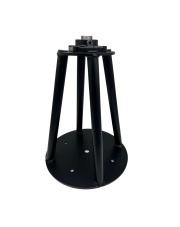
- brackets for pole dance poles and aerial mounting points.
The right components have a direct impact on safe use – this is not the place to cut corners.
Adjusting the hammock length is possible thanks to:
- carabiners,
- Daisy Chain straps,
- hammock loops,
- a swivel.
This allows you to adjust the hammock to the room height and your own preferences. Solutions like these improve both flexibility and comfort during training.
Mounting kits are a convenient option – they include everything you need to install the hammock quickly and efficiently. After the first installation, it’s easy to remove and relocate, making it suitable for both home use and professional studios.
Before first use, it’s worth taking a moment to check the hammock length and knot setup – this is the foundation of maximum stability. Regular inspection of accessories and mounting points gives you peace of mind during training – so you can practise with confidence and fully enjoy the benefits of aerial yoga.
How to care for your aerial yoga hammock?
To keep your aerial yoga hammock safe and in great condition for as long as possible, it’s worth following a few simple care rules. Here are the most important tips:
- the hammock can be machine washed, preferably at temperatures up to 40°C,
- avoid using fabric softeners – they may weaken the fibres,
- after every training session, check the condition of the hammock, paying close attention to knots, loops and connection points,
- keep it clean – this is essential for long-lasting and safe use,
- choose hammocks made from nylon or polyamide – they are durable and have low stretch.
Cleanliness and regular maintenance are essential for comfort and safety during training. Even minor dirt or residue can negatively affect the quality of your practice. By taking care of your hammock, you ensure not only a longer lifespan for your equipment, but also more comfort and peace of mind during every session – whether at home or in a fitness studio.
Remember – proper hammock care is an investment in both safety and training enjoyment.


