 Currency:


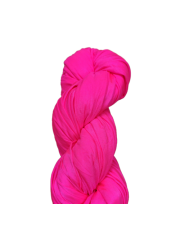
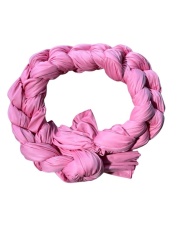
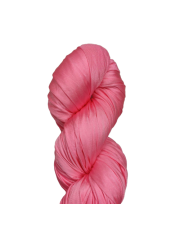
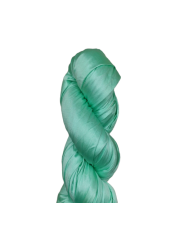
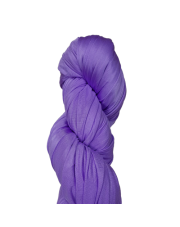
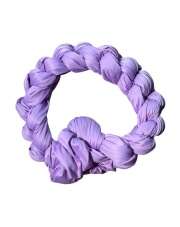
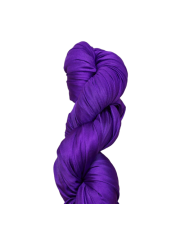
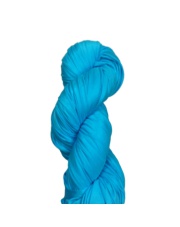
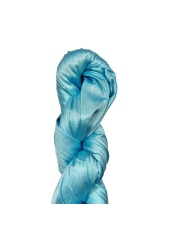
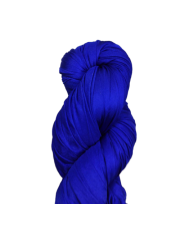
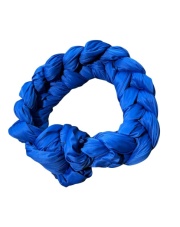
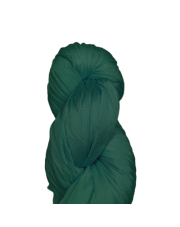
What exactly is aerial silk fabric?
When it comes to aerial silk, this is no ordinary fabric – it’s a specialist material that forms the absolute foundation of aerial arts. It stands out for its exceptional elasticity, allowing smooth transitions between spectacular poses and even dynamic aerial drops and movements. Its long fibres and flexibility mean that fabric for aerial silks combines durability with comfort, giving you confidence in movement and stability during aerial silks training or aerial yoga.
It’s worth noting that this fabric is made from high-quality fibres, which makes it resistant to tearing – and that has a major impact on user safety. It works well both for beginners and for those with more experience in aerial arts. Aerial silks are available in different widths and fabric weights, making it easy to match them to your personal preferences.
One of the features that deserves special attention is the fabric’s ability to absorb impact. This is especially important, because during drops or aerial tricks, the material can effectively reduce stress on the body, increasing comfort in use. In addition, the silks are carefully finished, which improves grip and makes control easier even during very dynamic movements.
Fabric for aerial silks is available in various lengths, so it can easily be matched to a specific training space. Whether you practise at home or in a studio, choosing the right fabric really makes a difference – both in terms of safety and overall satisfaction with aerial training.
What materials are aerial silks made from?
The fabric used for aerial silk is most often nylon – and for good reason, as its strength can reach up to 900 kg. What’s more, nylon is flexible, comfortable to use and provides the right level of cushioning, which is incredibly valuable in this discipline. Another option is polyester, which is also known for its excellent durability.
Hybrid fabrics are also worth mentioning, as they combine the benefits of nylon and polyester, improving resistance to load and wear. You can also find specialist materials such as JUST or MAG – these are premium options designed to meet the highest quality standards.
The PN-EN ISO 13934-1:2013-07 certificate confirms that these fabrics are suitable for professional use. However, silks and aerial yoga hammocks made from these materials differ in their technical parameters, so it’s worth taking a closer look before buying.
Choosing the right fabric has a huge impact on comfort in use. Every material stretches differently, cushions differently and offers a different level of safety, which directly affects training quality. High-quality fabrics improve grip and control, which is essential when performing aerial poses and dynamic tricks.
Which fabric properties affect comfort and safety during training?
There’s no doubt that elasticity, cushioning and stretch are the fabric properties that have the biggest impact on comfort and safety during aerial silk training. Elasticity at around 7–10% allows full control over movement and provides a sense of support, which is especially important in more advanced tricks.
Cushioning is just as important – it helps soften impact and reduces the risk of skin irritation or injury during intense training. A fabric weight in the range of 110–125 g/m² improves grip and increases safety, which anyone who has tried dynamic aerial work will appreciate.
Maximum lengthwise stretch limited to 10% gives you confidence that the fabric won’t suddenly overextend, which could otherwise lead to injury. At the same time, fibre density affects the durability and strength of the material, which also contributes to user comfort.
Fabrics such as JUST and MAG combine all of these features, ensuring optimal performance. Thanks to that, every training session can be not only enjoyable, but above all safe – and that is the foundation of progress in aerial silks and aerial yoga.
How do you choose the right fabric parameters – width, weight and length?
Choosing the right fabric for aerial silks is the key to comfortable and safe training. The most important things to pay attention to are:
- fabric width – ideally around 280 cm,
- fabric weight – optimally in the range of 110–125 g/m²,
- length – it should be at least twice the ceiling height plus an additional 1–2 metres.
The fabric length should be matched to the room height – this extra allowance is essential for safe training and for practising different techniques freely.
Fabric for aerial silks is sold by the metre, so everyone can cut it to their own needs. This solution works well for both beginners and more advanced aerialists. Stores also offer ready-made aerial silk sets and aerial yoga hammocks, making it easy to choose the ideal length and fabric weight for your individual needs.
How does aerial silk fabric affect comfort, grip and movement control?
The fabric used for aerial silk plays a major role in comfort and control during training. The right fabric weight and elasticity, especially with a width of 280 cm, make it easier to perform even the most demanding poses. Thanks to the properties of the fabric, aerialists can rely on a stable grip, which translates into more precise movement – and that makes a real difference in everyday practice.
The elasticity of the material also affects training comfort. The right degree of stretch allows movements to adapt to individual ability, while at the same time improving safety. For example, JUST and MAG fabrics combine elasticity with good cushioning, effectively reducing the risk of injury by absorbing impact.
The grip of the fabric is another key factor – high-quality materials provide a secure hold, which makes dynamic aerial tricks easier to perform. Stability and movement control become invaluable during intense training. Choosing the right fabric for aerial silks therefore has a direct impact on both comfort and training effectiveness in the air.
What is included in an aerial silk set and aerial hammock set for beginners and advanced users?
An aerial silk set or aerial hammock set is a great option both for beginners and for those who already have experience in this field. An aerial silk set includes:
- high-quality fabric, sold by the metre,
- 280 cm width,
- dynamic load capacity up to 900 kg,
- tear resistance, which increases safety.
The aerial hammock set has been designed for people practising aerial yoga and includes the appropriate fabric length and weight.
Both sets also include the necessary accessories:
- ceiling mount,
- carabiner,
- figure 8 descender.
Convenient delivery options make it easy to start training quickly – both at home and in a professional studio. Fast shipping makes these sets especially easy to access. The high quality of the materials means that training becomes more effective, and skills in aerial silks and aerial yoga develop much faster.
How do you care for aerial silk fabric – washing, maintenance and storage?
Proper care of the fabric used for aerial silks is essential if you want it to stay durable and safe during training. By following a few simple rules, you can significantly extend the life of the material. Here are some practical tips.
- Always remove mounting accessories such as carabiners or figure 8 descenders before washing.
- Use gentle wash cycles and low temperatures to avoid damaging the fabric.
- It’s best to dry the fabric naturally, in the shade, away from direct sunlight.
- Store the material in a clean, dry place, away from sharp objects.
- Follow the manufacturer’s care instructions.
Regular care and proper storage have a major impact on training safety and help you enjoy your aerial silks for a long time.


