 Currency:


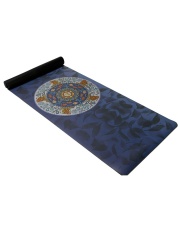
What exactly is a yoga mat and what is it used for?
There’s no denying that yoga mats are an essential part of the setup for anyone who practises yoga — regardless of experience level. A good mat provides both comfort and stability while moving through different poses. The right level of cushioning can significantly reduce the risk of injury, which becomes especially important during more dynamic practice or positions that require strong balance and control.
Yoga mats differ in several key areas, including:
- thickness,
- material,
- grip.
That means everyone can find a model suited both to their preferred style of practice and to their personal preferences. It’s also worth remembering that using your own mat during classes — especially group sessions — is a matter of hygiene, which is particularly important when practising in a studio with other people.
A yoga mat also makes home practice much easier. More and more people appreciate the option of practising in the comfort of their own home, where they can focus fully on themselves and their breath. Investing in a solid mat is a step towards better health and greater comfort — not only during training, but in everyday life as well.
What types of yoga mats are available?
On the Polish market, the range of yoga mats is genuinely wide — both beginners and advanced practitioners can find something that suits them. The most popular options include:
- rubber yoga mats: made from natural rubber, they stand out for their excellent grip and good cushioning,
- cork yoga mat: made from eco-friendly cork, it provides stability even with sweaty hands,
- microfibre mat: features an anti-slip surface and absorbs moisture very well, making it ideal for more intense practice,
- PVC mat: a classic choice — durable, easy to clean and a good starting option,
- TPE mat: lighter and more eco-friendly than PVC, while still offering good grip,
- polyurethane mat: durable, abrasion-resistant and versatile enough for different yoga styles.
It’s also worth mentioning eco-friendly mats made from natural materials, as well as premium models — with interesting prints, in round versions or designed specifically for travel. The latter are especially lightweight and easy to carry, which makes them a great option for people who practise yoga outside the home.
How do you choose the right thickness and size of a yoga mat?
Choosing the right thickness and dimensions of a yoga mat can have a real impact on both comfort and training effectiveness. The most popular mats are 3–4 mm thick — they provide a good balance of stability and comfort. If you want even more cushioning, for example during dynamic sequences, it’s worth considering mats with a thickness of 6–8 mm. This means greater comfort and better joint protection — especially during longer sessions.
The dimensions of the mat should match both your height and the space available to you. The most common size is around 180 × 60 cm, although mats measuring 183 × 68 cm are also widely available. The weight of the mat matters too — especially if you plan to take it to classes or travel with it. Lighter models are simply easier to carry. It’s also worth noting that the right combination of thickness and size improves stability during practice, making it easier to perform poses correctly.
How do you choose a yoga mat based on style and experience level?
When choosing a yoga mat, it’s worth considering both the style you practise and your level of experience. Beginners usually feel most comfortable on mats with a thickness of 3–4 mm — they provide the right level of support and cushioning, making learning easier and helping protect the joints. If you already have some experience, you may want to consider rubber or microfibre mats with an anti-slip surface — especially useful in more demanding poses.
For dynamic styles such as vinyasa or ashtanga, yoga mats that are moisture-resistant and easy to clean work particularly well, such as those made from microfibre or polyurethane. For gentler styles like yin or restorative yoga, a mat with moderate thickness is usually enough to provide both stability and comfort. For hot yoga, specialist mats are recommended — designed not to absorb moisture and to withstand more intensive use.
At the M-Pole Dance store, you’ll find a wide selection of mats, making it easy to match your equipment to your needs and style of practice.
How do you keep your yoga mat clean and durable?
Proper mat care is essential if you want it to stay durable and comfortable to use. After every training session, it’s a good idea to wipe the mat down — it’s a simple way to extend its lifespan.
Microfibre mats can be gently machine washed or hand washed, which is very practical. Rubber and cork mats, on the other hand, are best cleaned with a slightly damp cloth, avoiding harsh chemical products.
It’s also worth using dedicated mat cleaning sprays. These help the mat retain its anti-slip properties and prevent unpleasant odours.
Regular cleaning is not only a matter of hygiene, but also a way to protect the mat from damage. It’s also important not to leave the mat in a damp place for too long — especially if you live in an area with higher humidity. After training, it’s best to let it dry properly, which will help it last longer and feel better during future sessions. Taking care of your mat is an investment in long-term functionality.
How do you store and transport a yoga mat?
Storing and carrying a yoga mat doesn’t have to be difficult — just follow a few simple rules to keep it in good condition for as long as possible. The most important thing is to avoid creases, as they can affect comfort during practice.
The best way is to roll the mat up — ideally starting from the side that usually touches the floor. This helps the mat flatten out more easily the next time you use it. With larger mats, such as 180 × 60 cm, it’s worth paying extra attention to rolling them carefully to avoid deformation.
For transport, covers or bags designed for yoga mats are very useful, as they protect the mat from dirt and damage. Proper storage and transport help the mat last longer and ensure comfort during every yoga session.


