Currency:

2026 / 06 / 12
Aerial Safety – What Should You Keep in Mind During Training?
Aerial hoop, aerial silks, hammocks, and aerial yoga attract people looking for a workout that develops strength, coordination, and body awareness. While many aerial skills look effortless and impressive from the outside, every movement relies on proper technique and a strong focus on safety.
When taught correctly, aerial training is a safe form of exercise for both beginners and advanced practitioners. However, gradual progression, properly installed equipment, and appropriate safety measures are essential. Unlike many other activities, aerial training involves working off the ground, which means that mistakes can have more serious consequences than in traditional fitness classes.
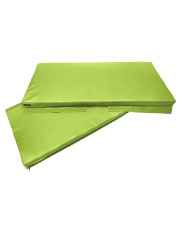
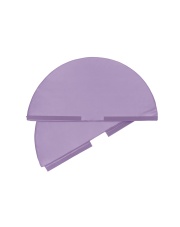
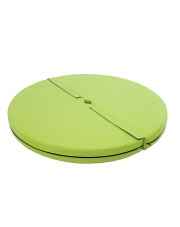
One of the most important aspects of aerial safety is using the right crash mat. Many people focus on choosing an aerial hoop, hammock, or silks and only later think about safety equipment. In reality, a well-chosen gymnastics mat or aerial hoop crash mat provides a crucial layer of protection when learning new skills and more advanced movements.
Table of Contents
- Why Aerial Safety Is Different from Most Other Forms of Training
- Safe Training Starts Before You Get on the Apparatus
- Never Ignore Fatigue
- Why Crash Mats Are So Important in Aerial Training
- Choosing the Right Gymnastics Mat for Aerial Training
- Training at Home Requires Extra Caution
- When Extra Care Is Especially Important
- Aerial Safety Is the Result of Many Small Decisions
- FAQ – Frequently Asked Questions
Why Aerial Safety Is Different from Most Other Forms of Training
In traditional fitness classes, most exercises are performed on the ground. Aerial training is very different. Whether you train on an aerial hoop, aerial silks, or a hammock, many movements are performed without constant contact with the floor.
This also involves inverted positions, changes in spatial orientation, grip-intensive movements, and the need to control the entire body at once. Even relatively simple skills require concentration and body awareness that many people have never developed through other forms of exercise.
It’s worth remembering that most accidents are not caused by one dramatic mistake. More often, they result from rushing, fatigue, reduced focus, or attempting a movement that the body is not yet prepared to perform safely.
Safe Training Starts Before You Get on the Apparatus
Safety does not begin when you perform a skill. In reality, it starts much earlier.
The quality of instruction plays a huge role. A good instructor doesn’t just teach how to enter a position—they also explain how to exit it safely, where body weight should be distributed, and which mistakes are most common. This is especially important when learning your first inversions, more complex wraps on silks, or dynamic transitions.
Patience is equally important. In aerial arts, progression is not a random collection of tricks. Each stage develops strength, body awareness, and the ability to respond to situations that do not always go according to plan. Trying to skip steps usually increases the risk of mistakes and overuse injuries.
Warm-ups should never be overlooked. Aerial training places significant demands on the shoulders, wrists, forearms, core muscles, and spine. Spending several minutes preparing the body for exercise often determines how well it handles the physical demands of the session.
Never Ignore Fatigue
Many people assume that the greatest risk occurs while learning new skills. In reality, some of the most dangerous moments happen at the end of a training session.
This is when grip strength begins to fade, concentration drops, and technique deteriorates. The body reacts more slowly, and mistakes that were previously easy to correct start happening more often. Repeated failed attempts at the same skill, shaking hands, dizziness, or difficulty maintaining proper body position are all warning signs that should not be ignored.
A simple rule applies: when technique disappears, the exercise is over.
Why Crash Mats Are So Important in Aerial Training
A crash mat is not an optional accessory or something to use only in emergencies. It is one of the key components of an effective safety system.
Even highly experienced aerialists use crash mats when learning new skills, practising dynamic sequences, or training at greater heights. Their purpose is not to replace good technique but to reduce the consequences if something goes wrong.
It’s important to understand that a standard exercise mat does not provide the same protection as a professional gymnastics crash mat. Exercise mats are designed for comfort during floor-based workouts, not for absorbing the impact of a fall.
That is why aerial training should always include an appropriately sized crash mat positioned directly beneath the potential fall zone.
Choosing the Right Gymnastics Mat for Aerial Training
One of the most common questions among both home practitioners and studio owners is which gymnastics mat is best suited for aerial training.
The answer depends primarily on the type of training and working height. Someone practising conditioning exercises close to the ground will require different specifications than a person learning new aerial hoop or silks skills.
For aerial hoop training, thicker crash mats are often preferred. A well-designed aerial hoop crash mat should provide sufficient cushioning during mounts, dismounts, and skill practice. The more dynamic the training and the higher the working height, the more important mat thickness and foam quality become.
The same principles apply to aerial silks and hammocks. Even when most movements are performed relatively close to the ground, uncontrolled falls can still happen during simple transitions or incorrectly executed wraps.
Training at Home Requires Extra Caution
More and more people are choosing to practise aerial arts at home. While convenient, it also requires a high level of responsibility.
One of the most common mistakes is learning new skills solely from online videos. A video may demonstrate a movement, but it cannot replace an instructor who can identify technical errors and respond in an emergency.
Proper rigging is equally important. Suspension points must be correctly selected, professionally installed, and thoroughly tested. In aerial training, there is no room for improvised solutions, unverified hardware, or equipment with unknown load ratings.
If you train at home, remember one additional rule: do not learn new skills alone. Having another person present can be invaluable if you become stuck in a position, experience an injury, or lose spatial orientation.
When Extra Care Is Especially Important
Certain situations require a more individual approach to training. This includes people returning after injuries, those with spinal issues, dizziness, or cardiovascular conditions.
Additional caution is also recommended during inverted positions on hammocks and silks. If you experience dizziness, nausea, or feel unwell, stop immediately and seek advice from a qualified professional.
This does not automatically mean you need to give up aerial training. In many cases, adjusting the difficulty level and modifying exercises is enough to continue safely.
Aerial Safety Is the Result of Many Small Decisions
Safety in aerial training does not depend on a single factor. It is the result of many decisions made before, during, and after every session.
Properly installed equipment, sensible progression, adequate recovery, focused practice, and appropriate safety measures all play a role. A well-chosen gymnastics crash mat or aerial hoop crash mat is also essential, providing a critical layer of protection when learning new skills.
The safest aerialists are not those who never make mistakes, but those who anticipate potential risks and prepare for them. That is why a strong safety culture is just as important as technical ability.
FAQ – Frequently Asked Questions
Is aerial training safe for beginners?
Yes, provided that classes are led by a qualified instructor and skills are introduced gradually. Most aerial movements have beginner-friendly progressions that allow students to safely build strength, technique, and confidence.
Do you always need a crash mat during aerial training?
In most cases, yes. An appropriate gymnastics crash mat is one of the most important safety layers when training on an aerial hoop, silks, or hammock. It is particularly important when learning new skills and practising suspended movements.
What type of crash mat is best for aerial hoop training?
For aerial hoop training, thicker crash mats are usually recommended because they provide greater impact absorption. An aerial hoop crash mat should be selected based on training height and the type of skills being practised to ensure effective protection in the event of a fall.
Can you train aerial safely at home?
Yes, but only with properly installed equipment, a safe training space, and a cautious approach. Learning new skills without instructor supervision or using untested suspension points with unknown load capacities is not recommended.
Why should you practise new skills over a crash mat even if you already know the basics?
Every new skill introduces new loads and body positions. Even experienced aerialists use crash mats when learning unfamiliar movements because they help reduce the consequences of mistakes and increase confidence during training.
How do you know when it’s time to stop a training session?
If you notice weakening grip strength, difficulty concentrating, dizziness, or a clear decline in technique, it’s best to stop. Many aerial-related mistakes occur toward the end of a session when fatigue begins to affect performance.
Is aerial yoga safer than aerial hoop or aerial silks?
Aerial yoga is usually practised closer to the ground and involves fewer dynamic movements, but that does not eliminate risk entirely. Proper equipment installation, gradual progression, and a safe training environment are just as important when using a hammock.
Can everyone perform inverted positions in aerial training?
Not always. People with certain medical conditions, including blood pressure issues, dizziness, eye conditions, or recent spinal injuries, should consult a doctor or physiotherapist before attempting inversions. In many cases, training is still possible but may require modifications and a more individualized approach.